What Breast Cancer Taught Me About Taking Care of Myself

For Breast Cancer Awareness Month, we invited Ann Williams, founder of Nashville-based Yearly Co. and a Survivor Fitness participant, to share her perspective on life after breast cancer.

Ann has experienced firsthand the challenges of returning to everyday life after treatment, and she continues to use her story to encourage and support other women. We’re grateful for the opportunity to share her perspective on self-care, finding the right support, and learning to celebrate what comes next.

–

As a breast cancer survivor, I’m grateful for the awareness, research, and conversations that can help other women. But I also know how much this experience can change you, and how important it is to keep talking about what happens after treatment ends.

I was diagnosed with stage 1, grade 3, ER/PR and HER2-positive breast cancer when I was 37. I had two invasive ductal carcinoma tumors and went through six rounds of TCHP chemotherapy followed by a double mastectomy.

At the time, I was a mom to two young girls, a wife, and a business owner. I was used to caring for lots of people and balancing many tasks at once. Cancer forced me to stop.

I stepped away from work and focused 100% on my healing and health. I was incredibly grateful for the people who surrounded and supported me through that season, especially the community we have here in Nashville.

But one of the biggest things cancer taught me was that taking care of myself couldn’t be something I squeezed in when everything else was taken care of. It had to become a priority.

Life After Cancer Looks Different

Cancer has changed the way I approach almost everything.

I’m still a wife, mom, and business owner. Life is just as busy as before my diagnosis. 

But I’ve learned that taking care of myself is not separate from taking care of everything else; it helps me show up for it all.

That doesn’t mean I do everything perfectly. But I’m more intentional about my health and well-being. Exercise is non-negotiable. So is eating well. So is making time to rest.

Cancer has also made me a stronger advocate for myself and for other women. I know how overwhelming it can be to figure out what comes next, and I want other women to know they don’t have to figure it out alone.

Find a Plan That Works for You

Before cancer, I enjoyed being active. I had tried different exercise classes and liked moving my body—but after treatment and surgery, I felt a little lost.

I knew I wanted to get back into fitness, but I didn’t know what I could safely do. My body felt different, and I wasn’t sure how to start.

That’s how I found Survivor Fitness.

I was so excited to learn that a program like this existed. I knew I needed someone to guide me back into working out, and I loved that the trainers understood what cancer survivors had been through.

From my first session, I felt like I had a plan. We started by measuring my range of motion and taking measurements so we could track my progress. The trainer and gym I was matched with were warm, friendly, and fun. I also saw other cancer survivors coming through the gym, which was a reminder that I wasn’t the only person figuring out what came next.

Over the course of the program, I became more comfortable and confident in the gym. I learned how important it can be to find a personalized approach when you’re learning how to balance fitness with real life and advocate for your health.

Find Support to Help You Continue to Move Forward

For me, Survivor Fitness was the bridge I needed to keep moving forward.

I knew my body would feel different after cancer treatment and surgery; I just didn’t know exactly what that would look like. Having a trainer who knew how to ease me back into exercise and challenge me appropriately gave me the confidence to start pushing myself again.

It also helped remove the excuses and uncertainty that had been holding me back. What can I do? Is this safe? Do I have time? Is working out worth the effort?

Someone helped me answer those questions.

If you’re a cancer survivor thinking about getting back into exercise but aren’t sure where to start, my advice is simple: don’t let the opportunity pass you by.

Working with a free, qualified personal trainer who understands cancer survivorship is such a gift. Even if you’ve never been to a gym before, Survivor Fitness can help you get comfortable with what your body is capable of.

Because your body may feel different after cancer—mine certainly did. But different doesn’t mean you have to stop caring for it. This experience has helped me realize how much there is to celebrate.

Celebrating the Women We Become

That desire to support and celebrate women is also at the heart of my business, Yearly Co.

The company started with a family tradition. My grandfather gave my grandmother a gold bangle each year of their marriage. Sixty years later, I started making similar gold bangles in my garage to share that tradition with other women.

What started as a naptime hobby has grown into a fine jewelry company with 15 employees, an office on Music Row, and a retail showroom in Green Hills. We make custom-fit bangles and other solid gold pieces designed to celebrate the special occasions, milestones and stories that make each woman’s life her own.

Cancer has given that mission even more meaning for me.

At Yearly Co., we love helping women celebrate their stories with jewelry. Survivor Fitness helps women celebrate their stories another way, by helping them care for themselves, rebuild their strength, and feel confident in their bodies again.

I love supporting organizations that help women become the best versions of themselves, and I’m incredibly thankful that Survivor Fitness exists.

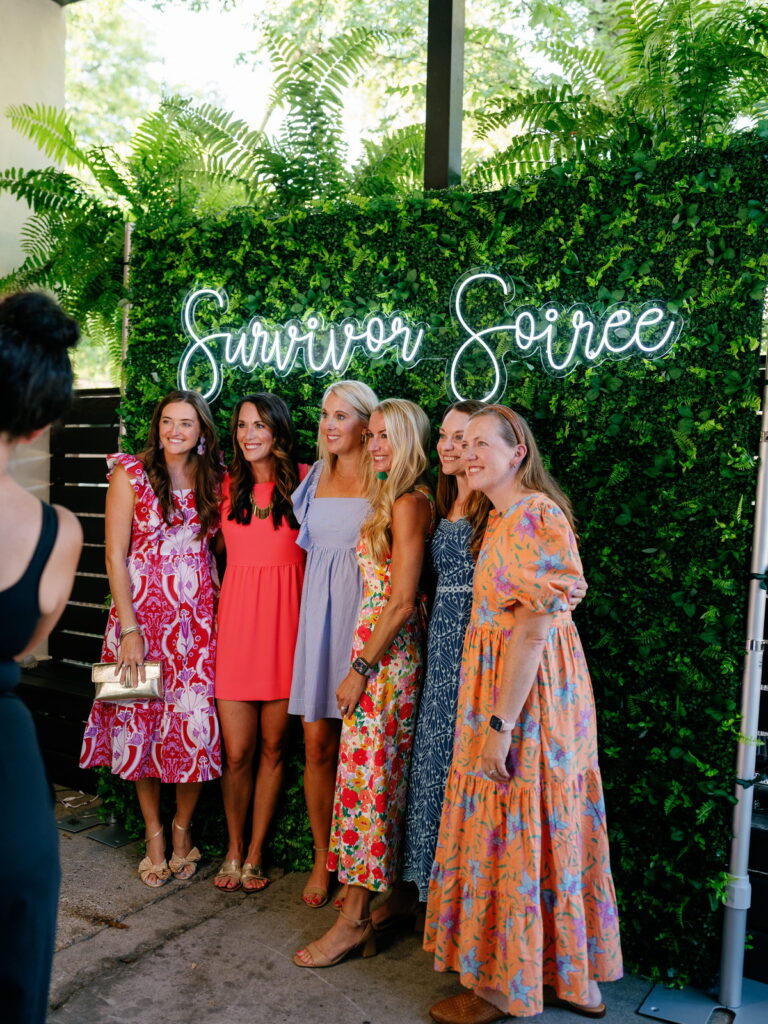
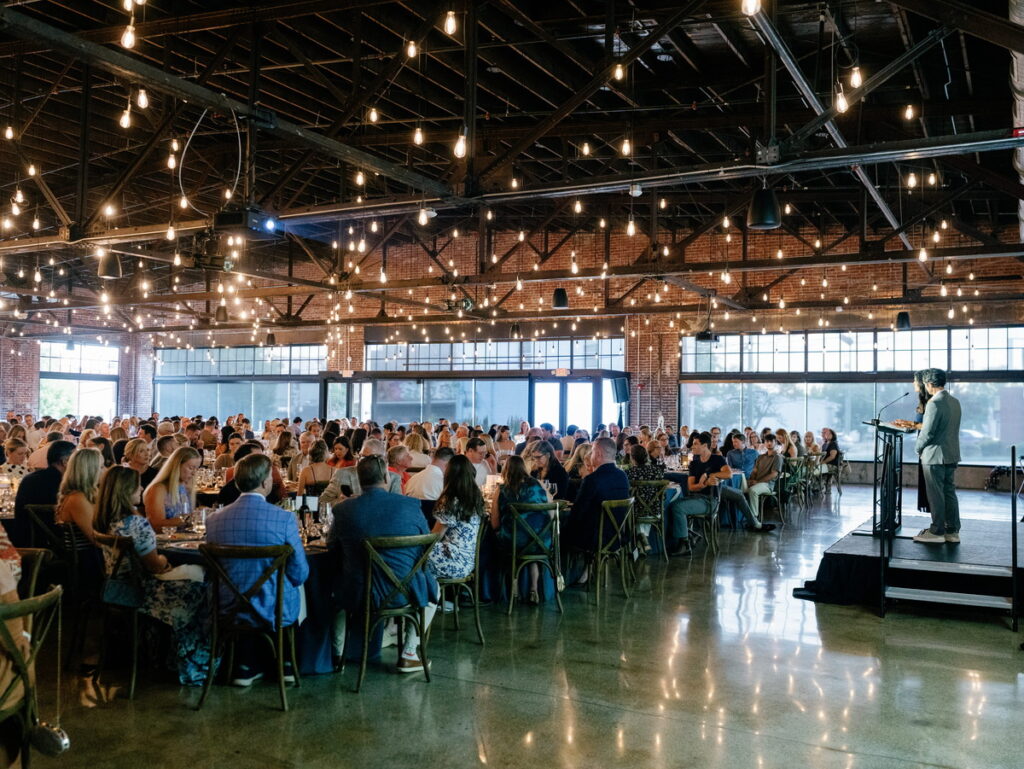
Celebration & Connection: Highlights from our 2026 Survivor Fitness Soirées

September was an unforgettable month for the Survivor Fitness family. We gathered across Tennessee for our annual Survivor Fitness Soirées in Knoxville and Nashville, and the energy in both rooms was electric.

Events like these are such a powerful reminder of what happens when a community rallies around a shared mission to empower survivors to reclaim their health and thrive after cancer treatment. Between our two events this year, our incredible community raised a record-breaking $450,000, nearly half a million dollars! 

Every dollar raised goes directly toward ensuring our personal training, nutrition coaching, and mental health programs remain completely free for the hundreds of cancer survivors who walk through our doors each year. Whether you bought a ticket, sponsored a table, donated an auction item, or simply showed up to cheer on our survivors, we cannot thank you enough.

Honoring Stories of Resilience

While the fundraising total is something to celebrate, the true heart of both evenings was the stories shared on stage. This year, we had the privilege of honoring two extraordinary women who embody what Survivor Fitness is all about.

In Knoxville, we celebrated our 2026 Honoree, Jennifer Ayers. Jennifer’s journey began in 2020 when she faced multiple cancer diagnoses. Through sheer determination and support from her Survivor Fitness training and nutrition coaches, she fought her way back. Jennifer went from struggling to walk on a treadmill to crossing the finish line of a 5K. Hear her story firsthand:

In Nashville, we honored our 2026 Honoree, Olivia Leow. Diagnosed with stage 2 astrocytoma—a form of brain cancer—in 2021, Olivia continues to navigate regular MRI scans and oncology follow-ups. When she was introduced to Survivor Fitness, she dove in headfirst, participating in all three pillars of our program: personal training, nutrition guidance, and mental health counseling. Her holistic commitment to her recovery inspired everyone in the room.

A Community Connected

Beyond the speeches and the fundraising, one of our absolute favorite parts of the Soirée season is watching connections spark across the room.

Where else do you see cancer survivors, local donors, corporate sponsors, oncologists, doctors, and family members all standing together in the same room? Seeing hundreds of people from different walks of life unite around a single purpose—helping survivors reclaim their health and confidence after cancer—was deeply moving.

Thank You to Our Sponsors

An evening of this scale is only possible through the incredible generosity of our corporate and community partners. A huge thank you to our presenting and event sponsors who made the 2026 Soirées a massive success:

And special thanks to all of our local auction donors and event volunteers who brought this night to life!

Looking Ahead & How to Stay Involved

As we look back on the success of the 2026 Soirées, our hearts are overflowing with gratitude. Because of your generosity, hundreds of survivors across Tennessee will receive the personalized expert care they need to rebuild their lives in the coming year.

The party may be over, but our mission continues every single day. If you want to keep the momentum going and help us serve even more survivors, here is how you can continue to support Survivor Fitness:

To everyone who attended, volunteered, sponsored, or gave: thank you for being a vital part of the Survivor Fitness story. We couldn’t do this without you!

Navigating Breast Cancer Awareness Month Without Emotional Overwhelm

October can be a complicated month when you’ve had breast cancer.

Suddenly, reminders about cancer are everywhere. Pink ribbons show up on products and storefronts. Social media is overrun with survivor stories and fundraising campaigns. 

For survivors, that can feel meaningful. But it can also bring back memories you thought you had put behind you, remind you of people you’ve lost, or simply make it harder to go through your day without thinking about cancer.

And sometimes, you may not even know why you’re feeling the way you do.

At Survivor Fitness, we’ve worked with hundreds of breast cancer survivors, and we’ve heard firsthand how different the experience of survivorship can be from one person to the next. So instead of telling you how you should feel this October, we wanted to share some perspective from survivors who have been there. 

We hope their words remind you that whatever you’re feeling, you’re not alone.

Allow Yourself to Feel What You Feel

Finishing treatment can come with many expectations. You ring the bell, celebrate with your loved ones, and hear that it’s time to move forward.

But moving forward doesn’t always feel triumphant.

As Survivor Fitness participant Feroza Freeland shared: “Ringing the bell at the end of treatment felt very triumphant. There was a sense that ‘you’re done, you’ve beaten it, it’s over, now you can move on with your life,’ but I wasn’t feeling that at all.”

October can bring that same tension back to the surface. You may feel happy to be here and still feel sad about what you went through. You may be grateful for your health and still angry about what cancer took from you. Those feelings can exist at the same time.

Additional Resource: Our mental health partners offer actionable ways to build mental and emotional resilience after cancer. 

Pay Attention to What Drains You

You don’t have to participate in every conversation about breast cancer.

If your social media feed starts feeling like too much, take a break. Mute an account for a while. Skip an event. Step away from a campaign that brings up difficult memories.

You can care deeply about breast cancer awareness without exposing yourself to every reminder of it.

It can also help to notice what restores you. Spend time with people who make you feel like yourself. Get outside. Exercise if it feels good. Read something unrelated to cancer. Do something that reminds you that your life is much bigger than your diagnosis.

Protecting your emotional energy isn’t selfish. It’s part of self-care.

Additional Resource: Here are some practical ideas to navigate events and manage your calendar without draining your battery. 

Remember That You May Be Different Now

Sometimes the hardest part of survivorship is realizing that you aren’t the same person you were before cancer.

That doesn’t mean something is wrong.

Survivor Fitness participant Karin Downs put it this way:

“Karin after cancer will be different from Karin before cancer. Not better, not worse, but different—and that is NOT a bad thing.”

You may have different priorities. You could relate to your body differently. You might appreciate your time, relationships, and health in a new way. You may still be figuring out what has changed. You don’t have to rush that process.

Additional Resource: Reclaiming body confidence and learning to love your post-cancer self takes time. Here are some insights from our community on learning to love your body after cancer treatment. 

Focus on What You Can Control

A difficult reality of survivorship is learning to live with uncertainty. You can follow your care plan, attend your appointments, and make healthy choices, but you can’t control everything that happens next.

Beth Lehman, a Survivor Fitness participant, shared a perspective that captures this balance: 

“I know I cannot control if my cancer returns. But I can take care of my body in a way that supports overall health.”

That can look different for everyone. Maybe it means rebuilding your strength. Maybe it means finding foods that give you energy. Maybe it means getting more sleep, working with a counselor, or simply getting back to activities you enjoy.

The goal isn’t to control your future. It’s to care for yourself in the present.

Additional Resource: If you aren’t sure where to start, here are some best practices for exercising after breast cancer. 

You Don’t Have to Do This Alone

If October brings up unexpected emotions, you don’t have to work through them alone.

Ongoing support can matter long after treatment ends. As Mary Romano, another Survivor Fitness participant, shared: “Having the awareness and acknowledgement of the need for ongoing support and resources for survivors is important, no matter how far out you get from treatment and how ‘okay’ you seem to others.”

Sometimes support looks like talking with a friend. Sometimes it means working with a counselor. Sometimes it means finding people who understand what you’ve been through without needing you to explain every detail.

For some survivors, it can also mean finding a community that helps them reconnect with their strength and confidence.

That’s why Survivor Fitness exists.

We’ve seen hundreds of breast cancer survivors rebuild their physical and emotional well-being after treatment. As Corinne Davis shared: “Breast cancer took so much from me, but Survivor Fitness did not let it take my strength, endurance, or mobility.”

Find Support for Your Next Chapter

Breast Cancer Awareness Month may bring cancer back into focus, but your life is so much more than your diagnosis.

If this month has reminded you that you could use more support, we’d love to help. Survivor Fitness offers personalized fitness, nutrition, and mental health support for cancer survivors, with programs designed to meet you where you are and help you move forward with confidence.

Learn more about our Survivor Fitness programs or apply today.

Participant Spotlight: Mary Hooper

mary hooper, survivor fitness participant

If you met Mary Hooper today, you might describe her as outgoing, energetic, and a little rambunctious. At 76, she loves to laugh, isn’t afraid of a challenge, and has become one of Survivor Fitness’ biggest advocates.

But there was a time when Mary didn’t recognize herself.

After two cancer diagnoses and years of treatment, she found herself struggling with something she hadn’t expected: figuring out what came next.

Finding Her Way Through Two Cancer Journeys

Mary’s first experience with cancer came in 2018, when she was diagnosed with an ovarian tumor. She underwent chemotherapy while continuing to work in the laboratory at the same hospital where she received her treatment.

Several years later, Mary was diagnosed with triple-negative breast cancer and underwent chemotherapy, followed by a double mastectomy. 

Today, she is more than five years out from that diagnosis. Even though her treatment ended years ago, getting back to life as usual proved harder than Mary expected.

She found herself in a deep funk. She didn’t have much motivation and didn’t feel like doing the things she once enjoyed.

“The only person who didn’t really recognize it was me,” Mary says. “I’m thankful for the other people in my life who realized I wasn’t myself and encouraged me to take steps to get better.”

Both Mary’s oncologist and her daughter—who happen to be best friends—kept encouraging her to look into Survivor Fitness. Mary wasn’t immediately convinced; in fact, she admits that her initial interest might have been driven more by spite than fighting spirit. 

“If I was ever going to hush them up about it, I needed to do it,” she jokes.

That decision changed more than she expected.

“You are the toughest person in this building.”

Mary was paired with Weston Ford, a trainer at Armor Fitness in Knoxville. She admits she felt self-conscious walking into the gym for the first time.

“I thought being labeled as a cancer survivor would make it worse for me,” she says.

Instead, she discovered the opposite. On her first day, Weston told her: “You are the toughest person in this building.”

The words stuck. Again, Mary confronted an aspect of herself that someone else had recognized and put to words for her.

“They welcomed me, but they also believed in me,” Mary says. “They made me feel like I was strong.”

At first, Mary didn’t even know how to use the equipment. Weston took time to walk through everything and showed her how each piece of equipment would help her. Then he encouraged her to try something new.

Before long, Mary was using the rowing machine, trying exercises she never imagined herself doing, and—perhaps most surprisingly—started looking forward to her gym days.

“I wouldn’t have dreamed of doing some of the stuff that I’m doing now,” she says. “It gives me purpose in the morning.”

“It was a great way to get the old Mary back.”

For Mary, the benefit of those 12 weeks went far beyond physical exercise.

The encouragement, accountability, and relationship she built with Weston helped her reconnect with a part of herself that had gotten lost somewhere along the way.

“I think it saved me,” she says. “You don’t realize how far down you get. It was a great way to get the old Mary back.”

Today, Mary sees recovery differently. 

She knows the people around you can see what you can’t see for yourself, and that asking for help is not a sign of weakness. 

Mary describes herself as “an old country girl who fights like a badger.” These days, she’s not afraid to try something new.  She recently signed up to continue working out with Weston at Armor Fitness. She’s eager to encourage other survivors to do the same, using her tenacity to convince every cancer survivor she knows to join the program.

Keep moving forward with Survivor Fitness 

Mary’s story proves that recovery doesn’t end when treatment does. Sometimes, finding your way forward means accepting support, trying something unfamiliar, and allowing yourself to grow stronger, one step at a time.

At Survivor Fitness, we’re here to help survivors do exactly that. Our free programs connect cancer survivors with trained fitness professionals and other resources designed to support the physical and emotional journey after cancer.

You don’t have to figure out your next chapter alone. Take the first step and see what you can achieve. Learn more about our programs or apply today.